What Is Biohacking? A New Approach to Anti-Ageing and Preventive Health

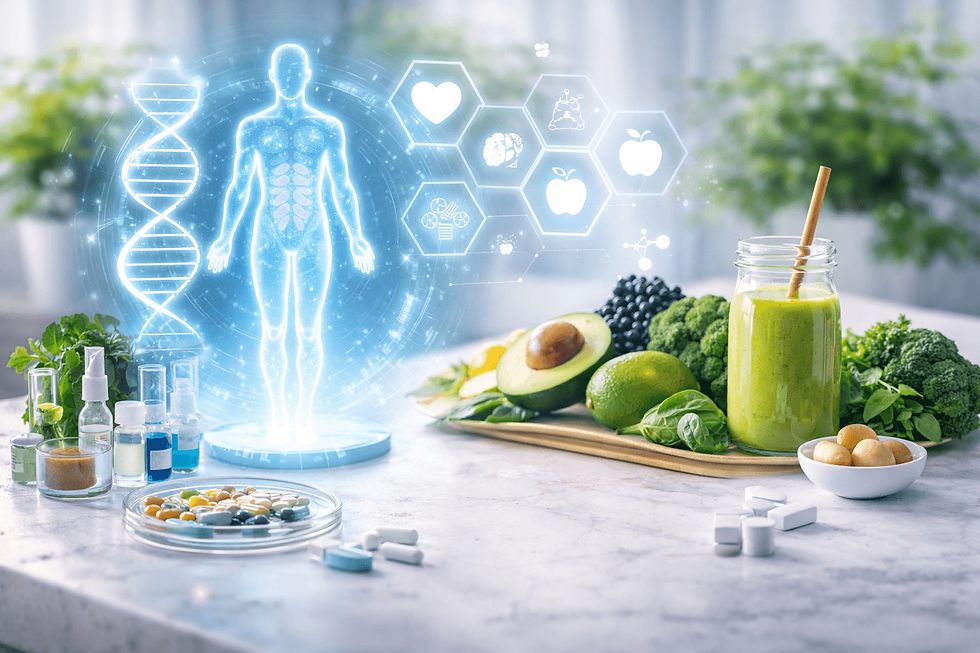
Can ageing be slowed—or even optimised—by making targeted changes to how the body functions at a biological level? As healthcare shifts towards prevention rather than treatment, the concept of biohacking has gained significant attention in both wellness and medical communities.
Biohacking involves using data, science, and personalised strategies to enhance physical and mental performance, improve health outcomes, and support longevity. Rather than relying solely on reactive treatments, it focuses on proactive interventions that optimise the body’s systems before disease develops.
From nutrition and sleep optimisation to advanced therapies such as NAD+ infusions and peptide treatments, biohacking represents a new approach to anti-ageing and preventive health.
What Is Biohacking?
Biohacking is a broad term that refers to intentional changes made to the body or lifestyle to improve performance, health, or longevity. It combines elements of biology, technology, and self-experimentation.
Core Principles of Biohacking
Data-driven decisions (e.g. blood tests, wearable tracking)
Personalisation based on individual biology
Optimisation rather than treatment
Continuous monitoring and adjustment
Biohacking can be applied at different levels, from basic habits to advanced clinical interventions.
Types of Biohacking
1. Lifestyle Biohacking
This is the most accessible form and includes:
Nutrition optimisation
Sleep improvement
Exercise routines
Stress management
These foundational strategies form the basis of long-term health.
2. Nutritional Biohacking
Focuses on how food and supplements influence the body.
Personalised diets (e.g. based on gut microbiome)
Supplementation (vitamins, minerals, peptides)
Intermittent fasting or metabolic optimisation
3. Technological Biohacking
Involves using devices and tools to track and improve health.
Wearable fitness trackers
Continuous glucose monitors
Sleep tracking devices
These tools provide real-time data to guide decisions.
4. Biological and Clinical Biohacking
More advanced interventions include:
NAD+ therapy
Peptide therapy
Hormonal optimisation
Regenerative treatments
These approaches are often guided by healthcare professionals.
How Biohacking Supports Anti-Ageing
Ageing is influenced by multiple biological processes, including cellular damage, inflammation, and metabolic decline. Biohacking targets these processes at their source.
1. Cellular Health Optimisation
Biohacking focuses on improving cellular function by:
Enhancing mitochondrial activity (energy production)
Supporting DNA repair mechanisms
Reducing oxidative stress
This helps maintain healthier cells for longer.
2. Hormonal Balance
Hormones play a key role in ageing.
Biohacking strategies may support:
Energy levels
Muscle mass
Skin health
Metabolic function
3. Inflammation Reduction
Chronic inflammation accelerates ageing.
Biohacking aims to:
Identify inflammatory triggers
Implement anti-inflammatory diets and therapies
Support immune balance
4. Skin Health and Regeneration
Biohacking approaches to skin include:
Collagen stimulation
Cellular repair therapies
Nutritional support for skin health
Biohacking in Preventive Health
Preventive healthcare focuses on reducing the risk of disease before it develops, and biohacking plays a key role in this shift.
1. Early Detection Through Data
Biohacking uses diagnostic tools such as:
Blood biomarker analysis
Gut microbiome testing
Genetic testing
These insights help identify potential health risks early.
2. Personalised Health Strategies
Instead of generic recommendations, biohacking allows for:
Tailored nutrition plans
Customised supplementation
Individualised treatment protocols
3. Continuous Monitoring
Tracking tools enable:
Real-time feedback on health metrics
Adjustment of strategies based on data
Better long-term outcomes
Common Biohacking Techniques
Nutrition and Diet Optimisation
Whole, nutrient-dense foods
Reduced processed food intake
Personalised dietary plans
Sleep Optimisation
Improving sleep quality and duration
Managing circadian rhythms
Reducing sleep disturbances
Physical Activity
Strength training and cardiovascular exercise
Recovery optimisation
Stress Management
Mindfulness and meditation
Breathing techniques
Advanced Therapies
NAD+ infusions
Peptide therapy
IV nutrient therapy
The Benefits of Biohacking
Biohacking offers benefits by optimising the body’s natural processes. It can improve energy levels through better cellular function, leading to reduced fatigue and enhanced daily performance.
It also supports mental clarity by optimising sleep, nutrition, and stress management. For skin and physical health, biohacking works at a cellular level to improve repair and reduce signs of ageing. Additionally, it promotes preventive health by identifying early imbalances linked to chronic disease.
One of its key advantages is personalisation, allowing individuals to tailor health strategies based on their unique biological data and lifestyle needs.
Risks and Considerations
Biohacking should be approached carefully due to the lack of standardisation across methods, as not all practices are supported by strong clinical evidence. Misinterpretation of health data from devices or tests can lead to ineffective or unnecessary interventions.
Results also vary between individuals, making personalisation essential. More advanced approaches, such as peptide or IV therapies, require proper medical supervision to ensure safety.
It is also important to maintain a balanced approach, as biohacking should support—not replace—fundamental health practices like proper nutrition, exercise, and sleep.
Biohacking vs Traditional Healthcare
Aspect | Biohacking | Traditional Healthcare |
Approach | Preventive and optimisation | Reactive and treatment-based |
Focus | Root causes | Symptoms |
Personalisation | High | Moderate |
Monitoring | Continuous | Periodic |
The Future of Biohacking
Biohacking is expected to play a growing role in healthcare, driven by:
Advances in biotechnology
Increased access to personal health data
Growing interest in longevity and preventive care
Future developments may include:
AI-driven health optimisation
More precise personalised treatments
Integration with clinical medicine
Who Should Consider Biohacking?
Biohacking may be suitable for individuals who:
Want to take a proactive approach to health
Are interested in longevity and anti-ageing
Seek personalised health strategies
Want to optimise performance and wellbeing
Conclusion
Biohacking represents a shift in how health and ageing are approached—moving from reactive treatment to proactive optimisation. By focusing on cellular health, personalised strategies, and continuous monitoring, it offers a comprehensive framework for improving both lifespan and healthspan.
While not all methods are suitable for everyone, biohacking provides valuable tools for those looking to take a more active role in their health.
Final Thoughts & Next Steps
If you are exploring ways to optimise your health and support long-term wellbeing, understanding your body at a deeper level may be a valuable starting point.
Are you addressing the root causes of ageing or only the symptoms?
Are your current health strategies personalised to your needs?
Are you taking a proactive approach to preventive health?
Learn more about our approach to preventive health and longevity care:
Comments